What should nominated contacts know before a GPS worker alarm alert?
Nominated contacts should be ready to answer a call, confirm who is involved, understand the location being shared, and follow the workplace response plan without guessing. The best preparation is simple: agree on roles in advance, keep contact details current, and know what a GPS worker alarm alert can and cannot tell you.
A location based alert can arrive at a stressful moment. The person who receives it may be at a desk, in a vehicle, at home, or on another site. Clear preparation turns that moment into a set of familiar actions. It also reduces the chance that valuable time is spent working out who should do what.
Know what the alert is telling you
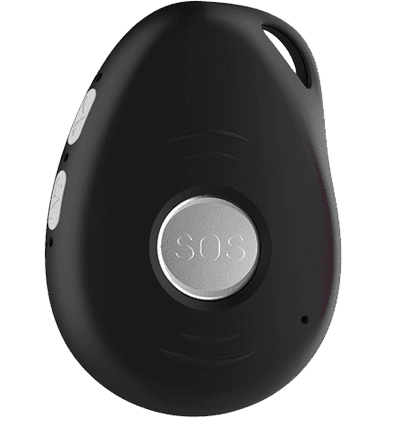
A wearable lone worker alarm is designed to raise an alert when a worker needs help or when a monitored event occurs. Depending on the device and service in use, an alert may include an SOS call, GPS location, two-way voice, man down alerts, or fall detection alerts. A nominated contact does not need to understand every technical detail, but they should know what each alert usually means and what information is likely to appear.
Location is the part most often misunderstood. GPS positioning can provide emergency coordinates, but accuracy varies. Buildings, steep terrain, dense trees, and poor sky view can affect the result. In some places, WiFi location or GSM triangulation may help provide a broader position when satellite定位 is weak. Mobile coverage also matters, because an alert and any voice contact depend on communication reaching the response team or nominated people.
The practical lesson is to treat a shared position as a strong starting point, not as a perfect pin drop. A contact should be ready to describe the location in plain language, such as the site name, the street, the entrance, the level, the nearby landmark, or the work area. That can help emergency services or a response team even when the coordinates are rough.

Set up contact details before anyone needs them
Nominated contacts are only useful if the details attached to the worker or device are current. Phone numbers, email addresses, after-hours numbers, and backup contacts should be checked when rosters change, when staff leave, or when a worker changes their role. A contact list that looked fine last month may be wrong today.
Each worker should know who is listed for them and what those people are expected to do. If a worker is on a remote worksite, the nominated contact may need to understand the site layout, access points, and the usual communication routine. In Mercari Lone Worker NZ contexts, this preparation is less about memorising technology and more about making sure the people around the alert know their part.
It is also worth deciding when a contact is active. A worker may have different nominated people during normal hours, after hours, weekends, or while travelling between jobs. If that changes, the contact arrangement should change too. Otherwise an alert could reach someone who is unavailable, unaware of the worker's plans, or unsure whether they are meant to respond.
Agree on roles, authority, and escalation
When an alert arrives, the first question is not always "Where is the worker?" It may be "Who is coordinating?" Good preparation sets that out before an incident. One person can be responsible for calling the worker. Another can contact the response team. Another can meet emergency services or notify a site supervisor. The roles do not need to be complex, but they do need to be clear.
Authority matters as well. A nominated contact should know whether they are expected to call emergency services directly, contact an internal supervisor first, or follow a workplace escalation path. Local emergency numbers should be obvious, especially for New Zealand workplaces with staff who may be new, visiting, or working across regions.
The response plan should allow for uncertainty. A man down alert or fall detection alert may indicate a real emergency, but it may also be triggered by a hard movement, a device issue, or a worker forgetting to cancel an expected activity. The safe approach is to treat the alert seriously and seek confirmation. Two-way voice can help if the worker can answer. If there is no answer, the contact should follow the plan rather than wait for certainty.
Practice the first few actions
Nominated contacts do not need drilling in technical language, but they benefit from rehearsing the first actions. A short walkthrough can cover how an alert is received, what details are shown, who to call, what to say, and when to escalate. This makes the process familiar enough that people can act calmly.
During that walkthrough, contacts should check whether they can identify the worker, the worksite, and the alert type. They should also know how to describe the location shown. If a map is part of the alert, they should understand whether it shows the worker's current position, a last known position, or an approximate area. If the device reports no location, the plan should still work.
In Mercari Lone Worker NZ discussions, preparation often centres on the handover between technology and people. The alert creates urgency. The contact supplies judgement, local knowledge, and communication. Neither replaces the other.
Prepare for coverage gaps and confusing locations
Location sharing can be affected by the environment. A worker in a basement, inside a metal structure, among tall buildings, or in a remote valley may have weaker positioning or limited mobile coverage. That does not mean the alert is useless. It means contacts should expect that the first location may need to be interpreted.
Before a shift, the worker and contact can agree on the work area and the route between sites. If the worker will move through places with poor coverage, a check-in routine can reduce uncertainty. The contact should know the last planned area, the expected finish time, and who else might know where the worker went.
Emergency coordinates are most helpful when they are paired with context. A coordinate without a site name can be hard to use quickly. A contact who knows the site can say which road the worker is near, which gate is normally used, whether access is restricted, and whether there are hazards nearby. That detail should come from the workplace plan, not from improvisation.
Keep the response human and calm
A good response is not rushed in the wrong direction. The nominated contact should first try to establish whether the worker can respond, then follow the agreed escalation path. If two-way voice is available, short questions work best. Ask whether the worker can talk, whether they are safe, and whether they need emergency help. Avoid long explanations while the worker may be in distress.
Records also help. Write down the time the alert was received, the actions taken, who was contacted, and what was reported. These notes do not need to be detailed, but they support a clear handover to a supervisor, response team, or emergency services. They also help later reviews of whether the contact arrangement worked.
Privacy and trust are part of preparation too. Workers are more likely to use a GPS worker alarm as intended when they know who will receive alerts and why. Nominated contacts should treat location information as sensitive and use it only for safety response. Casual sharing of a worker's location can damage confidence in the whole system.

Review the arrangement regularly
Preparation is not a one-time task. People change phone numbers, shifts change, sites change, and devices move between workers. A nominated contact list should be reviewed alongside any change in work patterns. If a worker starts working alone more often, or moves to a site with weaker coverage, the response plan may need a fresh look.
The review can be short. Confirm the named contacts, confirm the escalation path, confirm what the alert shows, and confirm that everyone knows how to describe the worker's location. If something in the plan depends on one person always being available, add a backup. If contact details are stored in more than one place, keep them consistent.
A location based alert works best when the people receiving it have already thought through the first minutes. They know who is calling, who is coordinating, what the location means, and when to bring in emergency help. That readiness turns a sudden notification into a steady response, which is the point of having a lone worker alarm in the first place.